
 847-995-1205

How Should Employers Handle Disputes Over Employee Timesheets?
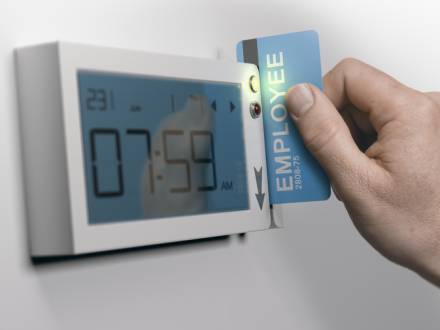
When an employee disputes the hours recorded on their timesheet, an Illinois employer can review the records and investigate whether any wages are missing. These disputes often involve overtime, missed hours, or errors in timekeeping.
Federal and Illinois laws require employers to keep accurate records and pay employees for their work. How an employer handles the disagreement can affect whether it leads to a wage claim or other legal problems. If your employee has filed a complaint in 2026, our Schaumburg recordkeeping employer defense lawyer can help.
What Timekeeping Records Must Illinois Employers Keep?
Federal law places the recordkeeping obligation squarely on the employer. Under the Fair Labor Standards Act, 29 U.S.C. § 211, covered employers must keep records of employees’ wages, hours, and other employment details.
For employees covered by overtime requirements, records must include hours worked each day. These records must also include when the workweek begins, pay rates, overtime earnings, deductions, and pay dates. Employers must also keep identifying information about each employee. Federal regulations require payroll records to be kept for three years, with timecards and similar supporting documents retained for two.
Illinois imposes parallel obligations. The Illinois Minimum Wage Law requires employers to maintain records of hours worked and wages paid for at least three years. The Illinois Wage Payment and Collection Act also requires employers to provide pay stubs and keep copies for at least three years.
No particular format is required. Paper timesheets, punch clocks, and electronic systems all satisfy the rules if the information is accurate and complete.
How Can Incomplete Timesheets Hurt an Employer in a Wage Dispute?
An employee must first provide evidence that they worked hours without proper pay. If the employer's records are incomplete, the employee can use a reasonable estimate to show how much time they worked.
The burden then shifts to the employer to provide better evidence or show why the estimate is unreasonable. Courts may award wages based on the available evidence, even without an exact record of every hour.
This does not mean courts must accept every hour an employee claims. However, missing records can make it harder for employers to challenge those claims. Accurate timesheets, payroll records, and records of changes to time entries can help resolve disputes before they become lawsuits.
How Should Illinois Employers Investigate Employee Timesheet Disputes?
When investigating a timesheet dispute, review payroll records, schedules, and any changes to recorded hours. Speak with the employee and supervisor to understand the disagreement. Check for unpaid work before or after shifts, during breaks, or from home.
If records show unpaid wages, correct the errors and address the missing pay. Keep records of the investigation and its findings. An Illinois employer defense lawyer can review the evidence, explain your legal obligations, and fight to resolve the dispute while reducing the risk of a lawsuit.
What Timekeeping Mistakes Put Illinois Employers at Risk?
Certain practices turn a manageable dispute into a serious claim:
- Automatically deducting meal breaks without confirming the break was actually taken
- Editing or rounding time entries in a way that consistently favors the employer
- Allowing or expecting work before clock-in or after clock-out
- Treating remote work, compensable travel between job sites, or required training as unpaid
- Deciding that employees do not qualify for overtime based only on their job titles
- Paying a salary and assuming it covers all hours worked
- Discouraging employees from recording overtime
- Failing to keep records when employees work unsupervised or offsite
Employees who complain about violations of wage laws are protected from retaliation. Disciplining or firing someone because they raised a protected wage complaint can lead to another legal claim, even if the original pay dispute lacks merit.
What Happens if an Employee Files a Wage Claim Against an Illinois Employer?
Employees can report unpaid wages to the Illinois or U.S. Department of Labor or file a lawsuit. Federal law allows recovery of unpaid wages, an equal amount in additional damages, and attorney fees. Illinois law can add five percent monthly damages for unpaid wages. For minimum wage or overtime violations, employers can owe three times the underpaid amount plus those monthly damages.
Claims involving several employees can lead to class or collective lawsuits. Federal deadlines are usually two years, or three years for willful violations. Illinois deadlines vary.
An employer defense attorney can review payroll records, respond to wage claims, and help protect your business from costly penalties.
Schedule a Free Consultation With Our Schaumburg, IL Record Keeping Employer Defense Attorney
Attorney Richard Miller holds an MBA in finance alongside his law degree. His finance background helps him review payroll records and understand how a business tracks hours and calculates pay. Our goal is to help employers resolve disputes, defend against wage claims, and address recordkeeping problems before they affect more employees.
Contact The Miller Law Firm, P.C. at 847-995-1205 to talk to our Schaumburg recordkeeping employer defense lawyer today.
Contact Us


Schaumburg, IL 60173
Phone: 847-995-1205
Map & Directions
